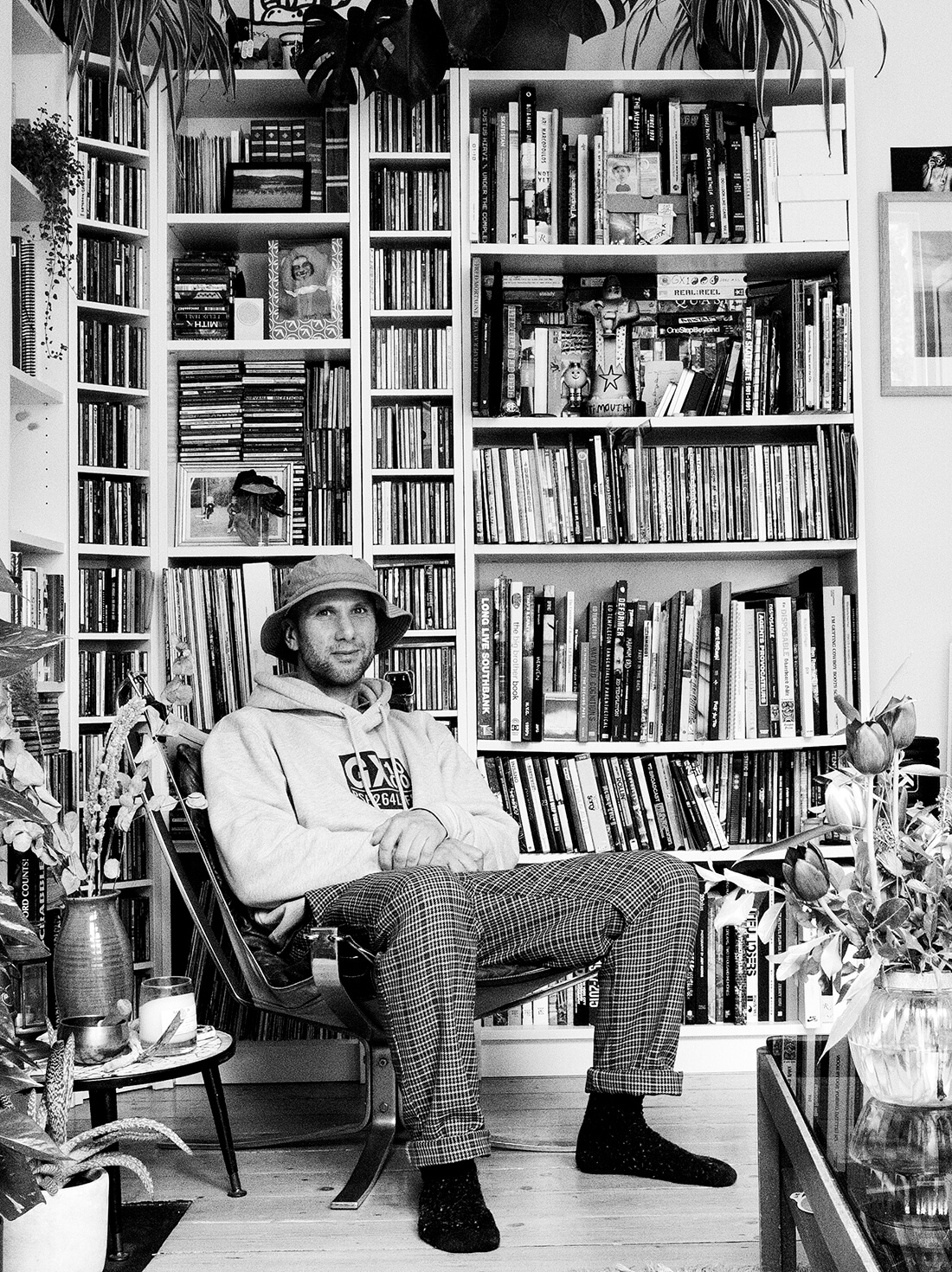
How Skateboarders Won & Got A Skate Plaza At Philadelphia’s Muni Building — An Interview With Pat Heid

📷 Photos by Chris Mulhern, Zander Taketomo & Pat Heid

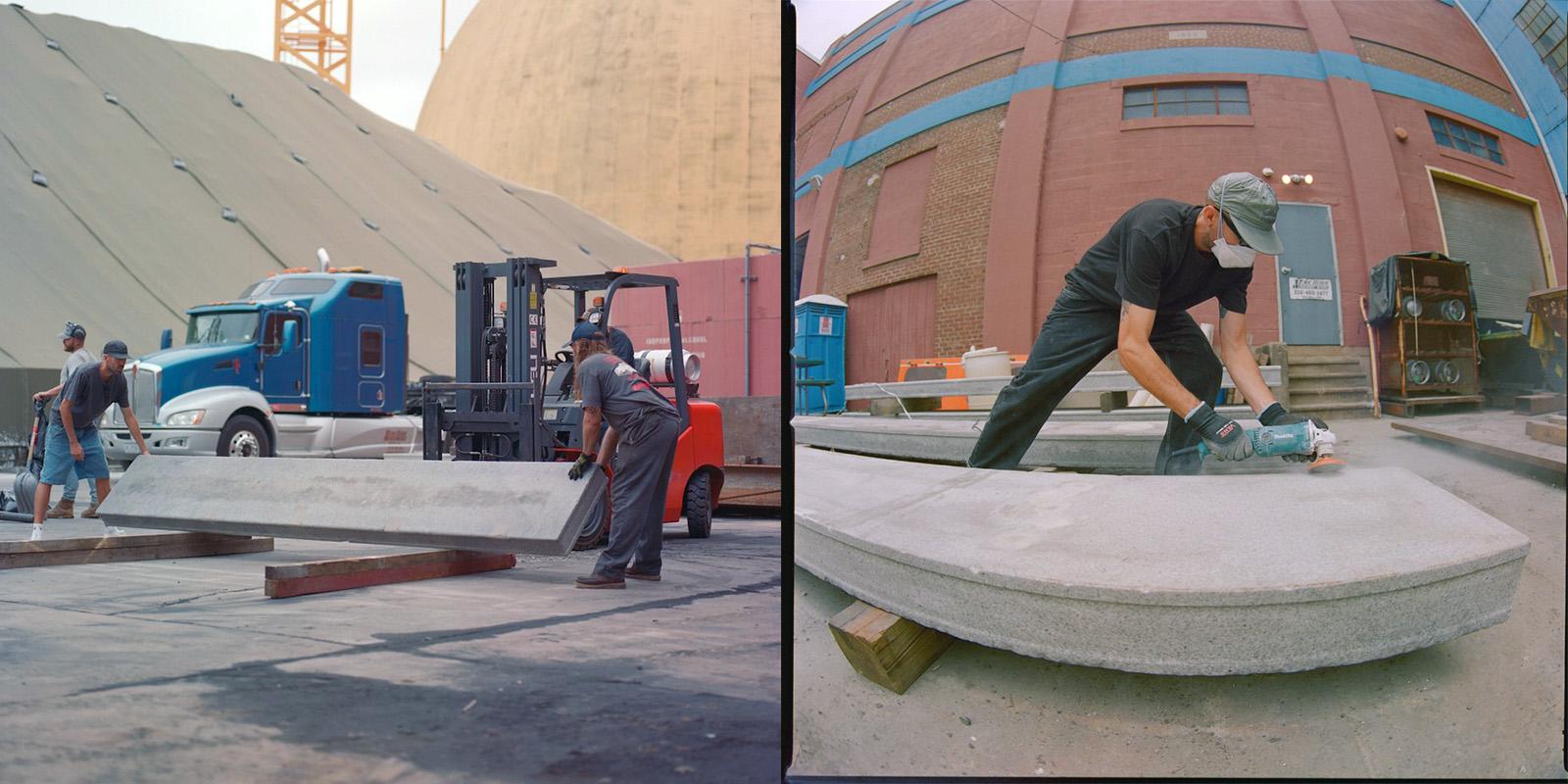
For some skaters, the sight of a sanctioned skate plaza at the Philadelphia Municipal Services building — one made out of Love Park, City Hall and old Muni materials — is surreal. For Pat Heid and his crew, it is a victory produced by years of advocacy, meetings, dead-ends, close-calls, and divine timing.

Philly’s new plaza opens on April 17, and here is the story of how it became a reality.

More »

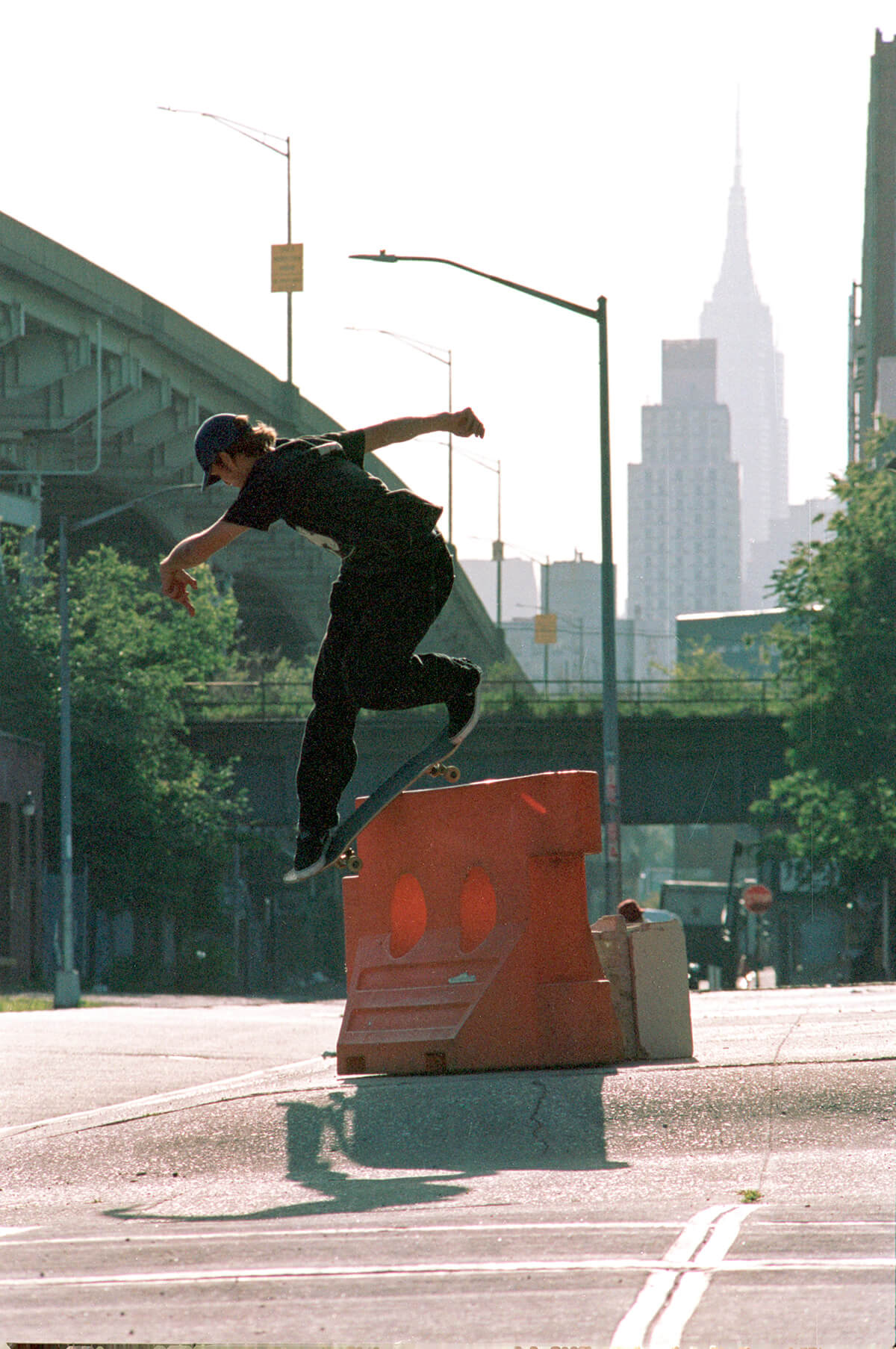
‘Sitting Around Hurts My Body’ — An Interview with Cyrus Bennett

📷 Photo by Paul Coots

Interview by Farran Golding
Photos by Ryan Mettz + Paul Coots

Cyrus has been a fixture on the pages of QS for a long time now, but we’ve never had a chance to formally interview him about, you know, E V E R Y T H I N G. Given the opportunity on the tail end of the call for the “Favorite Spot” piece, Farran asked him about everything from Mama’s Boys to Paymaster.

More »

Sports Club — An Interview With Roman Lisivka

Intro & Interview by Frozen in Carbonite
Photography by Kubo Krizo

Anyone whose parents forced them to take piano lessons remembers that antiquated wooden metronome with a metal needle going back and forth. Practicing scales might “suck,” but maintaining a consistent tempo forms the foundation of any musical journey.

ANYWAY, a symbolic representation of the discipline necessary to achieve mastery of one’s instrument, the metronome at Stalin Plaza has become a metaphor for the technical excellence that locals like Petr “Euro Wenning” Horvat and others have created there since the 1990s. After the supernova of They Don’t Give a Fuck About Us, EuroTech™ expanded across the continent. Gunslingers from all over the continent migrated to Barcelona, but only a few — like Roman Lisivka and fellow Slovakian Marek Zaprazny — gained widespread recognition on account of their undeniable virtuosity.

Lisivka has produced some of the most forward-thinking EuroTech™ content of the past decade — including the “Stalinista” edit, footage in Sportsclass’ “Enter the Stalin” (the Only Built 4 Cuban Linx of contemporary EuroTech™), and a two-song last part in Primitive’s “Rome” vid — a section that I claimed as my favorite of 2020.

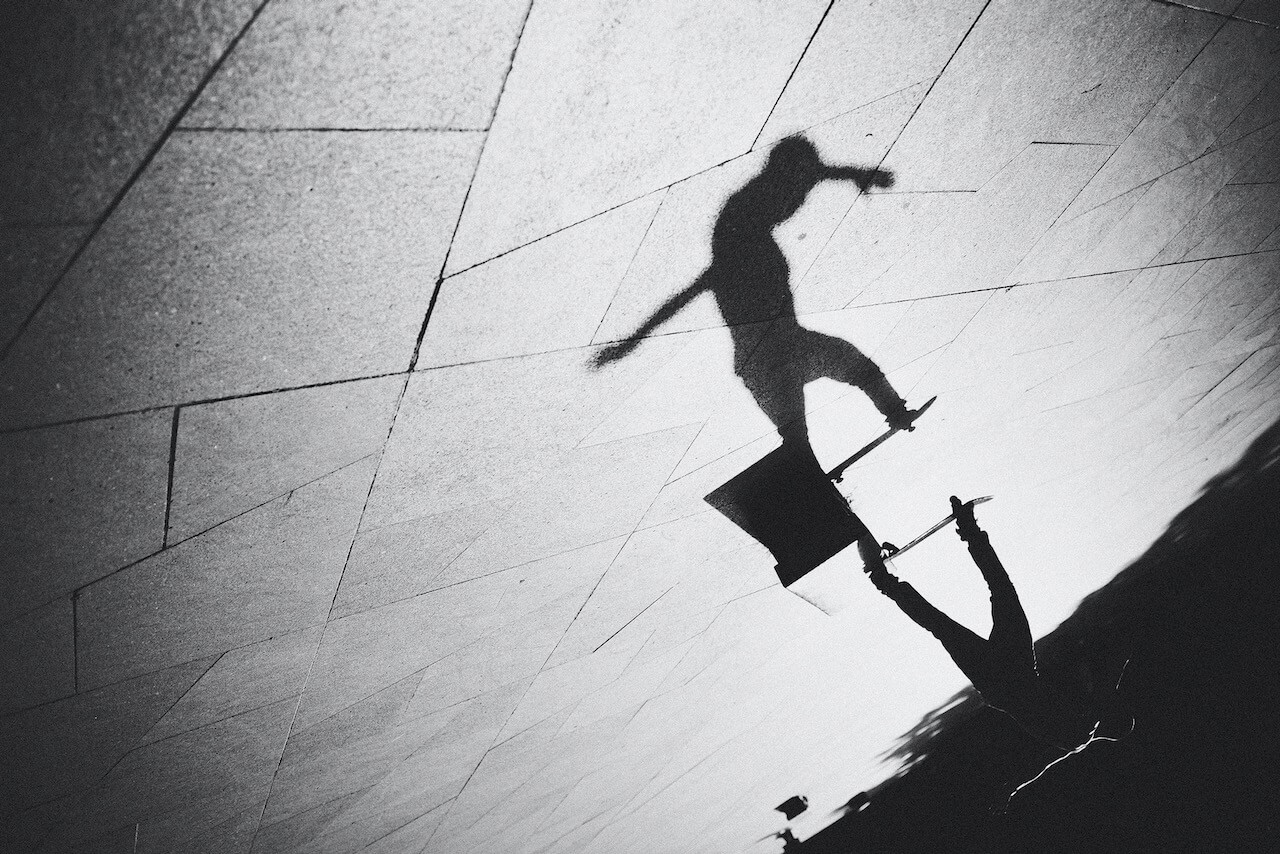
We caught up with Roman to discuss coming up skating in the aftermath of the Soviet Eastern Bloc, his new venture Métronome, and the process that goes into composing some of the most diabolical technical skating ever put down.

More »

Meditative Progression — An Interview With Karl Watson

Intro, Interview & Photos by Adam Abada

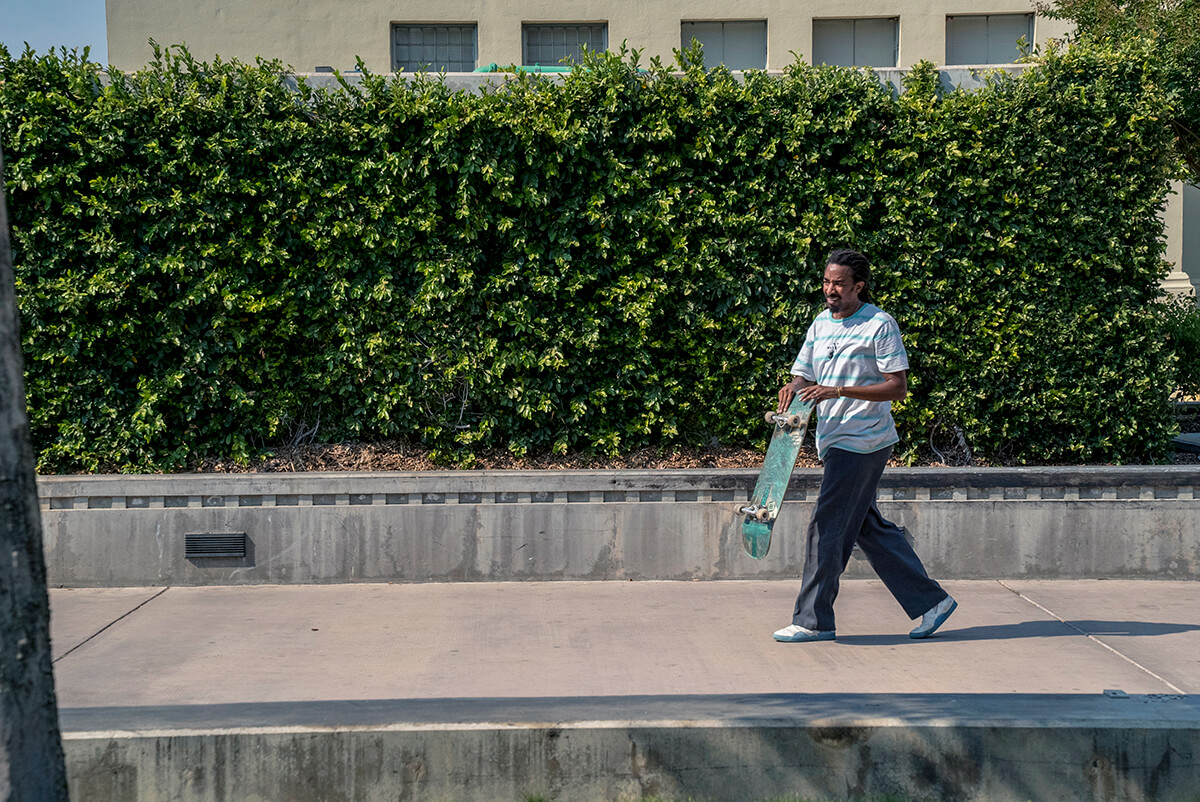
It honestly feels a bit silly introducing Karl. How many times does his EMB pedigree need to be brought up? The style? The smile? Karl has been doing it for more than three decades and his influence is still all around us, but it isn’t like he’s gone and calcified in stone. He’s a living, breathing, creating presence still very much ensconced in the Bay Area scene and the skate world at-large. He has his own company, Maxallure, and is involved in the impending resurgence of Satori Wheels.

I got in touch with him to see what those three-plus decades do to your perspective and even scored a session with him and the Maxallure team in the 105-degree summer heat of the San Fernando Valley. I don’t know if it’s the energy from his young team or if he’s still got it like that, but it was a pleasure to see him and his squad sweating it out in pure skate rat form.

More »

‘A Place For The Nerds’ — An Interview With Nick Sharratt of The Palomino

Interview by Farran Golding
Photos by Chris Mann, Rafal Wojnowski & Rich West

As we age, it’s easy to only remember the “big” changes: VX to HD, social media, Thrasher becoming the only magazine. The smaller ones are tougher to catalog, but when you think about it, had a substantial impact. In the not-so-distant past, “raw files” weren’t a “thing.” You couldn’t DM on Instagram. Polar was a small brand selling outline logo tees to the few who could get them. These things changing had huge reverberations, and in many ways, helped make “underground,” independent skateboard brands the dominant brands they are today.

More »